
Contents
- Introduction
- What is a Solenoid Valve
- How Does a Solenoid Valve Work?
- Types of Solenoid Valves
- Materials Used in Solenoid Valves
- Sealing Materials and Temperature Ranges
- Solenoid Valve Pressure Ranges by Type
- Advantages of Solenoid Valves
- Applications of Solenoid Valves
- How to Select the Right Solenoid Valve
- Common Solenoid Valve Problems
- Maintenance Tips
- Why Solenoid Valves are Essential for Automation
- Future Trends in Solenoid Valve Technology
- Frequently Asked Questions (FAQ)
Introduction
Solenoid valves are among the most widely used control components in industrial fluid systems. From simple water control to complex process automation, these electrically actuated valves provide fast, reliable and automated control of liquids and gases.
In modern industrial environments where automation, precision and safety are critical, solenoid valves play a fundamental role. They are used across multiple industries including manufacturing, chemical processing, HVAC systems, steam applications, water treatment, oil and gas, food processing and pharmaceuticals.
This comprehensive guide explains everything you need to know about solenoid valves including how they work, different types, materials, advantages, applications and how to choose the right one for your system.
What is a Solenoid Valve?
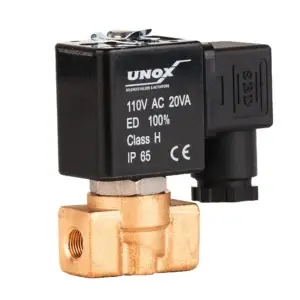
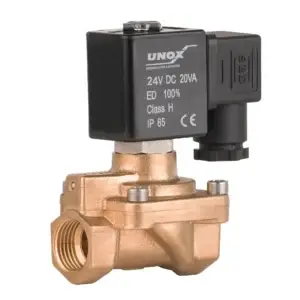
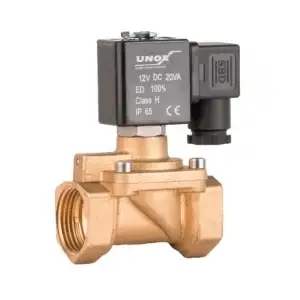
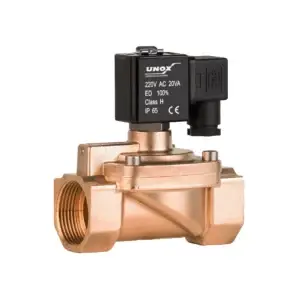
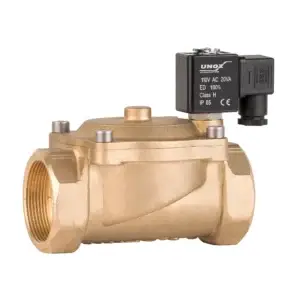
A solenoid valve is an electromechanical valve that controls the flow of fluid or gas using an electric current. When electrical power is applied to the solenoid coil, a magnetic field is generated which moves a plunger inside the valve body. This movement opens or closes the valve to control flow.
Solenoid valves provide quick response times and can be remotely controlled, making them ideal for automated systems.
How Does a Solenoid Valve Work?
The working principle of a solenoid valve is based on electromagnetic force.
Basic Components
• Solenoid coil
• Plunger (core)
• Valve body
• Spring
• Orifice
• Seal
When the coil is energized, the electromagnetic field lifts the plunger against the spring force, opening the valve. When power is removed, the spring returns the plunger to its original position, closing the valve.
Types of Solenoid Valves
Solenoid valves come in various configurations depending on application requirements.
Normally Closed Solenoid Valve
This is the most common type. The valve remains closed when no power is applied and opens when energized.
Advantages
• Energy efficient
• Safe for fail-close systems
• Ideal for water and gas control
Normally Open Solenoid Valve
The valve remains open without power and closes when energized.
Applications
• Cooling systems
• Safety bypass lines
• Emergency flow systems
Direct Acting Solenoid Valve
Direct acting valves operate without pressure differential and are suitable for low flow or low pressure applications.
Pilot Operated Solenoid Valve
These valves use system pressure to assist opening and are suitable for high flow applications.
2 Way Solenoid Valve
Controls simple on/off flow.
3 Way Solenoid Valve
Used for mixing or diverting flow.
Materials Used in Solenoid Valves
Material selection is critical for performance and longevity.
Brass
Most common for water, air and neutral fluids.
Stainless Steel
Ideal for corrosive fluids, chemicals and high temperature applications.
Cast Iron
Used for large industrial systems.
Sealing Materials and Temperature Ranges
• NBR (Nitrile Rubber)
Best for water, air and oils
Temperature range: -10°C to +90°C
• EPDM (Ethylene Propylene)
Best for steam, hot water and chemicals
Temperature range: -10°C to +150°C
• PTFE (Teflon)
Best for aggressive chemicals and high temperature
Temperature range: -20°C to +180°C
• Viton (FKM)
Best for oils, fuels and high temperature applications
Temperature range: -10°C to +180°C
Solenoid Valve Pressure Ranges by Type
Solenoid valve pressure ratings vary depending on design and application.
• Direct Acting Solenoid Valves
Operating pressure: 0 – 16 bar
Suitable for low flow and low pressure applications where differential pressure is not required.
• General Purpose Solenoid Valves
Operating pressure: 0.5 – 16 bar
Ideal for water, air and neutral fluids.
• Steam Solenoid Valves
Operating pressure: 0.5 – 6 bar
Designed specifically for high temperature steam applications.
• High Pressure Solenoid Valves
Operating pressure: 0.5 – 40 bar
Used in industrial systems requiring high pressure resistance.
| Feature | Solenoid Valve | Ball Valve | Control Valve |
|---|---|---|---|
| Operation | Electromagnetic | Manual / Actuated | Modulating |
| Response Speed | Very Fast | Medium | Slow |
| Automation | Excellent | Good | Excellent |
| Flow Control | On/Off | On/Off | Precise |
| Typical Applications | Water, air, steam | General isolation | Process control |
Advantages of Solenoid Valves
Solenoid valves provide several operational advantages.
• Fast response time
• Remote control capability
• Compact design
• High reliability
• Low power consumption
• Easy installation
• Low maintenance
Applications of Solenoid Valves
Solenoid valves are used across many industries.
Water Treatment
Used for controlling water flow in filtration and distribution systems.
Steam Systems
Used in boilers, steam lines and condensate systems.
HVAC Systems
Used for controlling cooling and heating circuits.
Chemical Industry
Used for precise control of aggressive fluids.
Food and Beverage
Used in hygienic processing lines.
Oil and Gas
Used in fuel control and safety systems.
How to Select the Right Solenoid Valve
Choosing the correct valve requires understanding system conditions.
Fluid Type
Water, steam, air, gas or chemical
Pressure
Minimum and maximum pressure
Temperature
Operating temperature range
Voltage
AC or DC supply
Flow Rate
Required Cv or Kv
Connection Type
Threaded or flanged
Common Solenoid Valve Problems
Valve Not Opening
Possible causes
• Coil failure
• Insufficient voltage
• Pressure too low
Leakage
• Seal damage
• Dirt or debris
Overheating
• Continuous duty mismatch
• High ambient temperature
Maintenance Tips
• Install strainer before valve
• Check voltage supply
• Inspect seals periodically
• Keep system clean
Why Solenoid Valves are Essential for Automation
In industrial automation, fast and reliable flow control is essential. Solenoid valves enable fully automated systems by providing precise and repeatable operation with minimal energy consumption.
They are key components in Industry 4.0 systems where sensors and controllers manage process operations.
Future Trends in Solenoid Valve Technology
• Smart solenoid valves with sensors
• Energy efficient coils
• IoT integration
• Advanced corrosion resistant materials
Conclusion
Solenoid valves are essential components in modern industrial systems, providing reliable, fast and efficient flow control. Understanding their working principle, types and selection criteria ensures optimal performance and system safety.
Choosing the correct solenoid valve improves efficiency, reduces downtime and enhances automation capabilities across various industries.
Frequently Asked Questions (FAQ)
What is a solenoid valve used for?
Solenoid valves are used to automatically control the flow of liquids or gases in industrial systems such as water treatment, steam lines, compressed air systems and automation processes.
How does a solenoid valve work?
A solenoid valve works by using an electromagnetic coil that creates a magnetic field when energized, moving a plunger to open or close the valve.
What are the main types of solenoid valves?
The main types are direct acting, pilot operated and semi-direct acting solenoid valves, each designed for different pressure and flow requirements.
What pressure range do solenoid valves operate at?
Direct acting solenoid valves operate from 0 to 16 bar, general purpose valves from 0.5 to 16 bar, steam solenoid valves from 0.5 to 6 bar and high-pressure models from 0.5 to 40 bar.
What temperature can solenoid valves handle?
Temperature capability depends on sealing material but typically ranges from -20°C to +180°C for industrial solenoid valves.
Which sealing materials are used in solenoid valves?
Common sealing materials include NBR, EPDM, FKM (Viton) and PTFE, each selected based on fluid compatibility and temperature range.
Where are solenoid valves commonly used?
Solenoid valves are widely used in HVAC systems, water treatment plants, steam systems, chemical processing, food industry and industrial automation.
How do you choose the right solenoid valve?
Selection depends on fluid type, pressure, temperature, connection size, voltage and application requirements.
What voltages are available for solenoid valves?
Common coil voltages include 24V DC, 110V AC and 220V AC, depending on system requirements.
Why choose UNOX solenoid valves?
UNOX solenoid valves are engineered for durability, precise control and compatibility with industrial automation systems, meeting international standards.