
Contents
What Is a Steam Trap?
A steam trap is a critical component in steam systems designed to automatically discharge condensate, air, and non-condensable gases while preventing the loss of live steam.
Steam traps ensure efficient system operation by maintaining proper heat transfer, preventing water hammer, and minimizing energy losses. Without correct steam trap selection, steam systems may experience reduced efficiency, equipment damage, and increased operating costs.
Why Steam Traps Are Critical in Steam Systems
Steam traps play a vital role in industrial steam applications by:
- Removing condensate efficiently
- Preventing live steam loss
- Protecting systems against water hammer
- Improving heat transfer efficiency
- Reducing maintenance and energy costs
A failed or incorrectly selected steam trap can lead to serious performance and safety issues.
Types of Steam Traps
1. Float Steam Trap
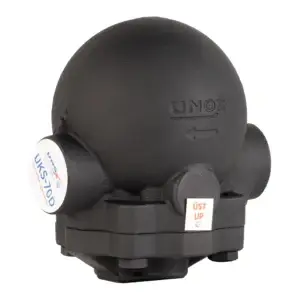
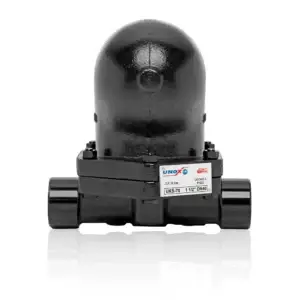
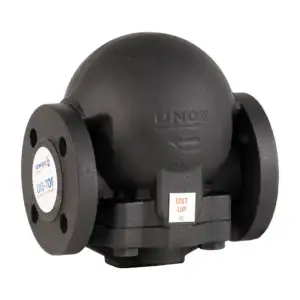
Float steam traps operate based on the condensate level inside the trap. As condensate enters, a float mechanism opens the valve to discharge condensate continuously.
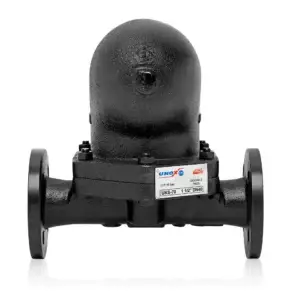
Key advantages:
- Continuous condensate discharge
- High efficiency in process applications
- Performs well under varying load conditions
Typical applications:
Heat exchangers, process equipment, steam tracing
2. Thermodynamic Steam Trap
Thermodynamic steam traps operate using the velocity and pressure difference between steam and condensate. A disc mechanism opens and closes during operation.
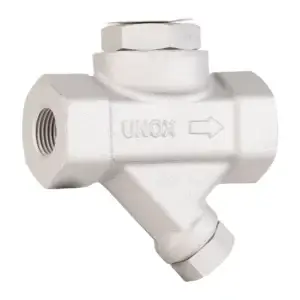
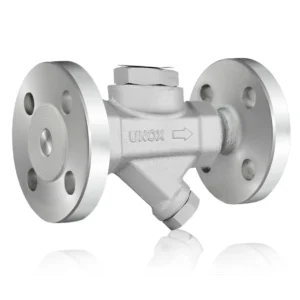
Key advantages:
- Compact and robust design
- Resistant to water hammer
- Suitable for high-pressure steam systems
Typical applications:
Steam mains, tracing lines, outdoor installations
3. Thermostatic Steam Trap
Thermostatic steam traps operate based on temperature differences between steam and condensate, opening when condensate temperature drops.
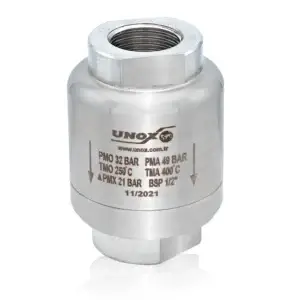
Key advantages:
- Excellent air venting capability
- Simple and reliable operation
- Suitable for low to medium pressure systems
Typical applications:
Heating systems, start-up air removal, low-load processes
Steam Trap Types Comparison
| Feature | Float Steam Trap | Thermodynamic Steam Trap | Thermostatic Steam Trap |
|---|---|---|---|
| Operating Principle | Condensate level | Velocity & pressure difference | Temperature difference |
| Condensate Discharge | Continuous | Intermittent | Intermittent |
| Best for High Pressure | Medium | Excellent | Limited |
| Air Venting Capability | Moderate | Limited | Excellent |
| Typical Applications | Process equipment | Steam mains & tracing | Heating systems |
| Maintenance Requirement | Medium | Low | Low |
Common Problems Caused by Wrong Steam Trap Selection
Incorrect steam trap selection may result in:
- Live steam loss
- Condensate accumulation
- Reduced heating efficiency
- Water hammer and pipe damage
- Increased energy consumption
Correct selection is essential for long-term system reliability and efficiency.
How to Choose the Right Steam Trap
When selecting a steam trap, the following factors must be considered:
- Steam pressure and temperature
- Condensate load
- Application type (process or distribution)
- Installation environment
- Maintenance accessibility
Each application requires a properly engineered solution to ensure safe and efficient operation.
Steam Traps and Isolation Valves in Steam Lines
Steam traps are typically installed together with isolation valves to allow safe maintenance and system shutdown. In many steam applications, butterfly valves are preferred for steam isolation due to their compact design and fast operation.
👉 Learn more about butterfly valves used in steam applications by visiting our butterfly valve technical guide.
Why Choose UNOX Steam Traps?
UNOX steam traps are engineered according to international standards and designed for durability, efficiency, and ease of maintenance. Our range includes float, thermodynamic, and thermostatic steam traps suitable for a wide variety of industrial steam applications.
👉 Contact our technical team for steam trap selection support.
Frequently Asked Questions (FAQ)
What is a steam trap used for?
A steam trap is used to automatically remove condensate and air from steam systems while preventing live steam loss.
Why are steam traps important in steam systems?
Steam traps improve heat transfer efficiency, prevent water hammer, and reduce energy loss in steam systems.
What happens if a steam trap fails?
A failed steam trap can cause live steam loss, reduced system efficiency, water hammer, and increased operating costs.
What are the main types of steam traps?
The main types of steam traps are float steam traps, thermodynamic steam traps, and thermostatic steam traps.
Which steam trap is suitable for high-pressure applications?
Thermodynamic steam traps are commonly used in high-pressure steam systems due to their compact and robust design.
Where are float steam traps typically used?
Float steam traps are commonly used in process applications with continuous condensate discharge requirements.
Can steam traps be installed outdoors?
Yes, thermodynamic steam traps are well suited for outdoor installations and harsh operating environments.
How often should steam traps be inspected?
Steam traps should be inspected once or twice a year depending on system criticality and operating conditions.
Do steam traps require isolation valves?
Yes, isolation valves are recommended to allow safe maintenance and system shutdown.
How do I select the correct steam trap?
Steam trap selection depends on pressure, temperature, condensate load, application type, and maintenance needs.